
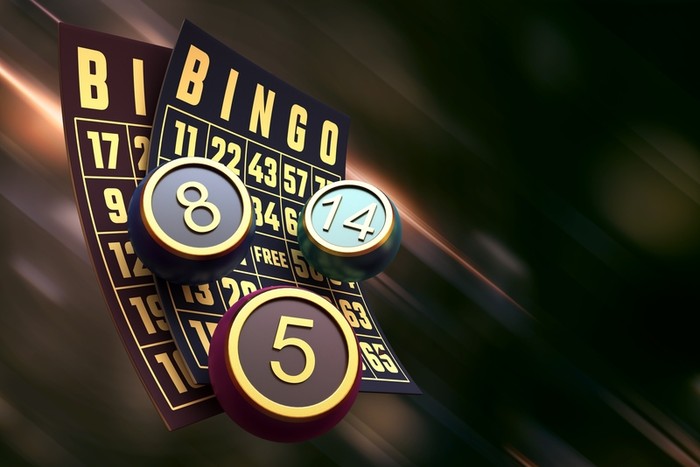
For decades, the public perception of bingo was anchored to physical community spaces: neon-lit brick-and-mortar halls, fold-out tables in suburban community centers, and the dry squeak of ink daubers across paper grids. When the game first transitioned online in the early 2000s, operators largely replicated that physical blueprint with primitive digital adaptations. Those early websites were functional, but they were often sluggish, cluttered with garish banner ads, and built around clunky desktop browsers that treated players as transactional units rather than members of an active community.
Over the past few years, a quiet revolution has swept through the digital gaming landscape. Driven by modern software design standards, mobile-first consumer habits, and sophisticated behavioral modeling, contemporary bingo operators are completely overhauling their digital experiences. By dismantling friction points and elevating the communal fabric that makes the game distinct from other forms of entertainment, modern platforms have turned bingo into a benchmark for modern consumer software design.
Reimagining the Social Fabric: From Chat Boxes to Connected Communities
Bingo is fundamentally different from solo gaming formats like online slots or digital table games. Its heritage is social, conversational, and communal. Recognizing this distinction, modern platform architects have shifted away from viewing social tools as secondary add-ons, instead designing their entire platform ecosystems around shared interactions.
The Evolution of the Chat Moderator
The text chat room has undergone a major transformation. In earlier digital iterations, chat features resembled chaotic, unmoderated public message boards. Today, platforms rely on trained Chat Hosts and Community Leads who serve as digital concierges and live entertainers.
These hosts run real-time trivia contests, organize side games, celebrate individual player milestones, and cultivate an inviting tone. Advanced sentiment-analysis tools and automated filtering work quietly in the background, neutralizing abusive language and spam before other users encounter it. This allows human hosts to focus on real conversation, creating an environment that feels less like an impersonal casino floor and more like an intimate neighborhood club.
Rich Interactions and Micro-Communities
Modern platforms have abandoned plain text entry in favor of rich, multi-dimensional communication layers:
-
Contextual Emojis and Custom Reactions: Players can celebrate line wins, express sympathy over near misses, and cheer on room jackpots through custom graphical reactions tailored to the theme of the room.
-
Thematic Sub-Rooms: Rather than funneling all users into a massive, noisy lobby, modern platforms organize players into smaller, interest-driven micro-rooms. Whether centered around fast-paced play, casual morning coffee sessions, or specific music themes, these spaces encourage regular members to build authentic peer-to-peer relationships over time.
-
Synchronized Audio and Live Callers: High-definition live video feeds featuring professional callers have introduced an authentic sense of presence. Players hear numbers announced with realistic personality and banter, reintroducing the theatrical cadence of traditional live halls into pocket-sized devices.
Modern Interface Design: Eliminating Cognitive Overload
One of the greatest historical obstacles in digital bingo was visual clutter. Expecting a player to track twelve to thirty individual cards on a small smartphone display while monitoring a live ball hopper and reading a rapid chat thread easily led to eye fatigue and mistakes. Modern design systems have resolved this problem through clean visual hierarchies and automated assistance.
Smart Auto-Daubing and Adaptive Layouts
Digital platforms have perfected the smart auto-daubing system, turning what used to be a stressful administrative task into a smooth spectator experience. High-performance game engines automatically highlight called numbers, track progress toward active win patterns, and dynamically reorganize cards on the screen.
Through adaptive sorting algorithms, platforms push the cards closest to winning directly to the front of the user’s viewport. If a player holds a card that is only one number away from a prize, that card is magnified and brought into primary focus. This dynamic arrangement reduces cognitive strain, allowing players to relax, engage with chat companions, or play casual side games without the fear of missing a payout.
Single-Thumb Navigation and Responsive Performance
Modern digital bingo is predominantly played on smartphones during casual moments throughout the day. Progressive Web Apps (PWAs) and native mobile interfaces are now built around ergonomics.
Primary actions—purchasing tickets, setting ticket quantities, alternating between rooms, and entering chat comments—are intentionally placed within natural thumb reach along the lower third of the screen. Interface transitions rely on hardware-accelerated animations, eliminating lag and providing tactile visual feedback whenever a card is purchased or a prize is triggered.
Personalization Engines and Narrative Progression
Transactional play—buying a ticket, watching a round conclude, and leaving—fails to maintain player engagement in a modern digital market. Leading platforms borrow extensively from mobile gaming mechanics to introduce long-term purpose, individual identity, and customized progression.
Level-Based Journeys and Unlockable Content
Modern platforms frequently integrate loyalty ecosystems and narrative storylines. Instead of simply accumulating abstract points, players earn experience points that unlock access to specialized rooms, custom avatar modifications, unique card skins, and exclusive caller voices.
These reward systems celebrate frequency of participation, community helpfulness, and tournament involvement rather than focusing strictly on total monetary turnover. By celebrating diverse player activities, operators foster a sense of long-term achievement that transcends short-term financial outcomes.
Dynamic Content Recommendations
Machine-learning recommendation engines analyze individual play styles to personalize the user lobby. A player who consistently gravitates toward low-cost, high-volume 75-ball rooms during weekday lunch hours is automatically presented with those rooms upon launch, rather than having to scroll past dozens of irrelevant high-stakes 90-ball options. This tailored presentation respects the user’s time and delivers an immediate sense of familiarity.
Frictionless Banking and Transparent Administrative Tools
A visually appealing interface means very little if the underlying administrative plumbing is slow or difficult to use. Friction during financial transactions is the quickest way to erode user trust. As a result, forward-thinking operators have invested heavily in modern financial technology pipelines.
-
Frictionless Onboarding: Automated identity-verification workflows cross-reference registry databases within seconds of registration, drastically reducing the manual document uploads that historically delayed access.
-
Direct Digital Wallet Integration: Support for native payment platforms like Apple Pay, Google Pay, and localized bank transfer networks allows players to fund accounts instantly without entering payment credentials manually.
-
Accelerated Cashouts: Where withdrawal approvals previously took multiple business days, automated ledger systems now evaluate risk profiles and release payouts within minutes, delivering the immediate liquidity that modern digital consumers expect across all e-commerce channels.
Responsible Gaming as an Organic Design Element
The most consequential paradigm shift in modern bingo user experience is the treatment of player welfare. Responsible gaming tools were historically buried at the bottom of obscure settings menus, framed almost as punitive measures. Today, player protection is woven into the primary user experience as a core brand value.
Platforms now feature clean account dashboards that display real-time session duration clocks, cumulative spend trackers, and easy-to-use sliders for setting personal deposit and loss limits. Smart analytical systems monitor behavioral patterns, discreetly nudging players with gentle notifications if their play pace increases erratically or if session lengths exceed typical routines. Presenting these safeguards transparently normalizes healthy play habits, building long-term institutional trust between the operator and the player.
The Future of Connected Entertainment
The reinvention of digital bingo illustrates how traditional pastimes can flourish in the mobile age when developers respect what made the original game compelling. Modern platforms have avoided turning the game into a solitary slot experience; instead, they have leveraged cloud computing, intuitive design systems, and thoughtful community moderation to expand upon its social roots.
By eliminating visual clutter, streamlining administrative processes, and creating inclusive spaces where players feel recognized, modern platforms are defining the next generation of social gaming. The digital bingo hall is no longer a clumsy compromise for those who cannot visit a physical venue; it has evolved into a polished, accessible entertainment destination that sets a high standard for customer-centric design.
